
Tianyi Academy

A Serious Science Platform for Thermal Protection

From Fundamentals to Applications: A Systematic Analysis of Thermal Protection Technologies for Extreme Space Environments

Section 3: Use Cases

Where do they work?

co9This article

The Reentry Blackout: Temperature, Time, and Distance from Humanity
2026/7/19
88Read
18

The Reentry Blackout: Temperature, Time, and Distance from Humanity

During reentry, the spacecraft loses all contact with ground control for several minutes—this is known as "blackout." At this moment, the capsule is enveloped in gas heated to thousands of degrees, plunging into the atmosphere at near-meteor speeds. Temperature, duration, and the safety of those inside all depend on a thin layer of heat-shielding material.

Author:Tianyi Quan'anRead more

Reusable Rockets: From "Disposable Heat Shielding" to "Repairable Design"
2026/7/19
17Read
19

Reusable Rockets: From "Disposable Heat Shielding" to "Designed for Repair"

In the past, rocket heat shields were single-use, discarded after each flight—just like the rockets themselves. But when rockets are designed for recovery and reuse, the rules change completely: heat shields can no longer be "use-and-throw." They must be inspectable, repairable, and capable of withstanding repeated flights. This marks a paradigm shift in both materials and philosophy.

Author:Tianyi Quan'anRead more
Reuse from passes 10 and 1: Coating decay curve
2026/7/20
103Read
20

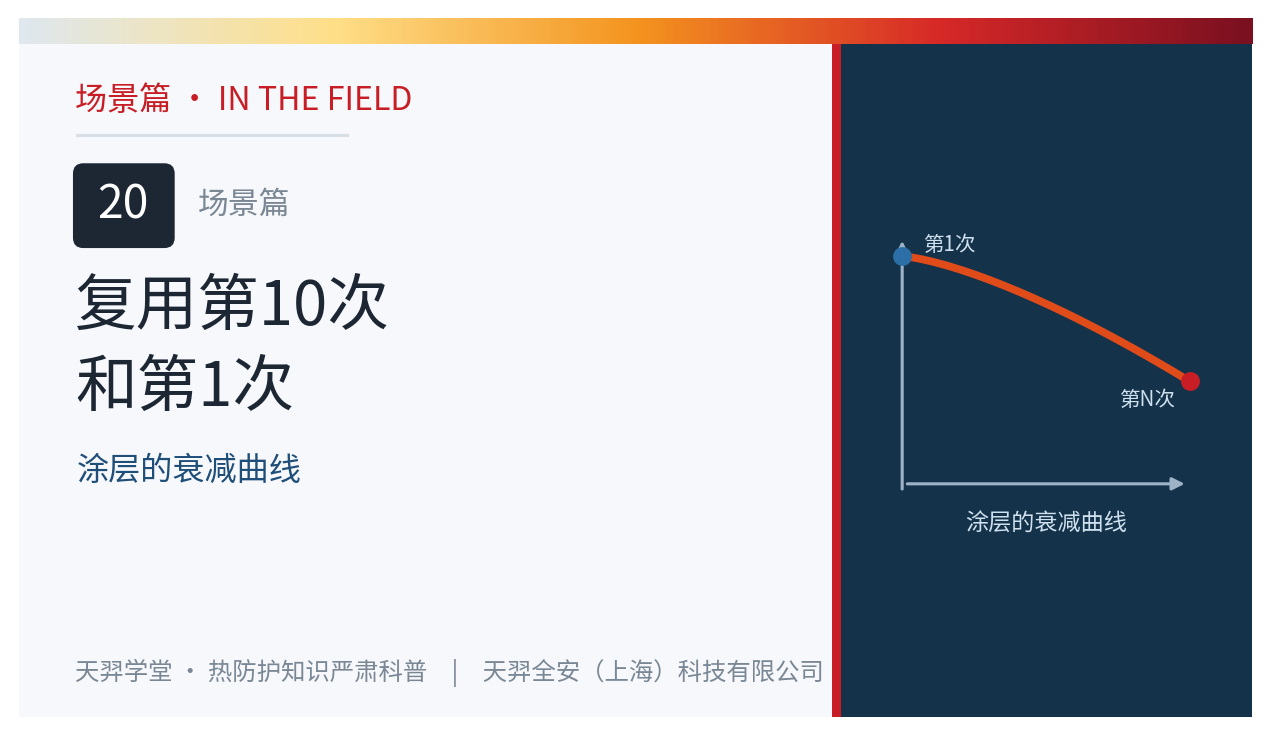
Reuse iterations 10 and 1: Coating decay curve

For a reusable rocket's thermal protection system, is the coating on flight 1 identical to that on flight 10? While no visible differences may appear, performance can silently degrade. Understanding this "degradation curve" is a critical step in advancing reusable TPS from concept to engineering reality.

Author:Tianyi Quan'anRead more
Hypersonic Vehicles: Withstanding High Temperatures Over Extended Periods Is the Real Challenge
2026/7/20
82Read
21

Hypersonic Vehicles: Withstanding High Temperatures Over Extended Periods Is the Real Challenge

When hypersonics comes to mind, many people immediately think of "speed." But for materials engineers, the real nightmare isn't a brief spike in temperature—it's prolonged, continuous heating. A high peak is challenging; sustained high heat flux over time is the true challenge.

Author:Tianyi Quan'anRead more
Nozzle and Combustion Chamber: Materials Science Under Extreme Heat Flux
2026/7/20
39Read
22

Nozzles and Combustion Chambers: Materials Science Under Extreme Heat Flux

If re-entry heating comes from the outside, a rocket engine carries its own "hell" inside. The combustion chamber and nozzle walls must withstand gases at thousands of degrees, extreme pressure, and high velocity—making them some of the most thermally stressed components in aerospace engineering.

Author:Tianyi Quan'anRead more
Satellite Thermal Control: The hardest part in space isn't heat—it's the extreme thermal cycling.
2026/7/20
98Read
23

Satellite Thermal Control: The hardest part in space isn't heat—it's the extreme thermal cycling.

Space is both cold and hot. On the same satellite, the sunlit side can reach over 100°C, while the shaded side drops below -100°C. As it orbits Earth, these extremes switch every few dozen minutes. The toughest challenge in space isn't just heat—it's this relentless cycle of extreme temperature swings.

Author:Tianyi Quan'anRead more
From Space to Consumer Electronics: Why Thermal Runaway in Power Batteries Also Needs Thermal Protection
2026/7/20
47Read
24

From Aerospace to Consumer Electronics: Why Thermal Runaway in Power Batteries Also Requires Thermal Protection

Thermal protection sounds like an aerospace specialty, but it's already quietly integrated into your daily life—such as in the power batteries of electric vehicles and energy storage stations. When a single cell goes into thermal runaway and catches fire, what stops it from igniting neighboring cells is a thermal management approach rooted in the same principles used in aerospace.

Author:Tianyi Quan'anRead more
3-minute Energy Storage Cabinet: The Material Logic Behind GB 38031-2025
2026/7/21
75Read
25

3-minute energy storage cabinet: the material logic behind GB 38031-2025

In a battery cabinet for an energy storage station, if a single cell goes out of control, the next few minutes are critical. The national standard GB 38031-2025 requirement of "no fire, no explosion" translates in engineering to a race against time driven by material performance.

Author:Tianyi Quan'anRead more