
Insulation ≠ Heat Resistance ≠ Heat Protection: Three Terms Often Confused
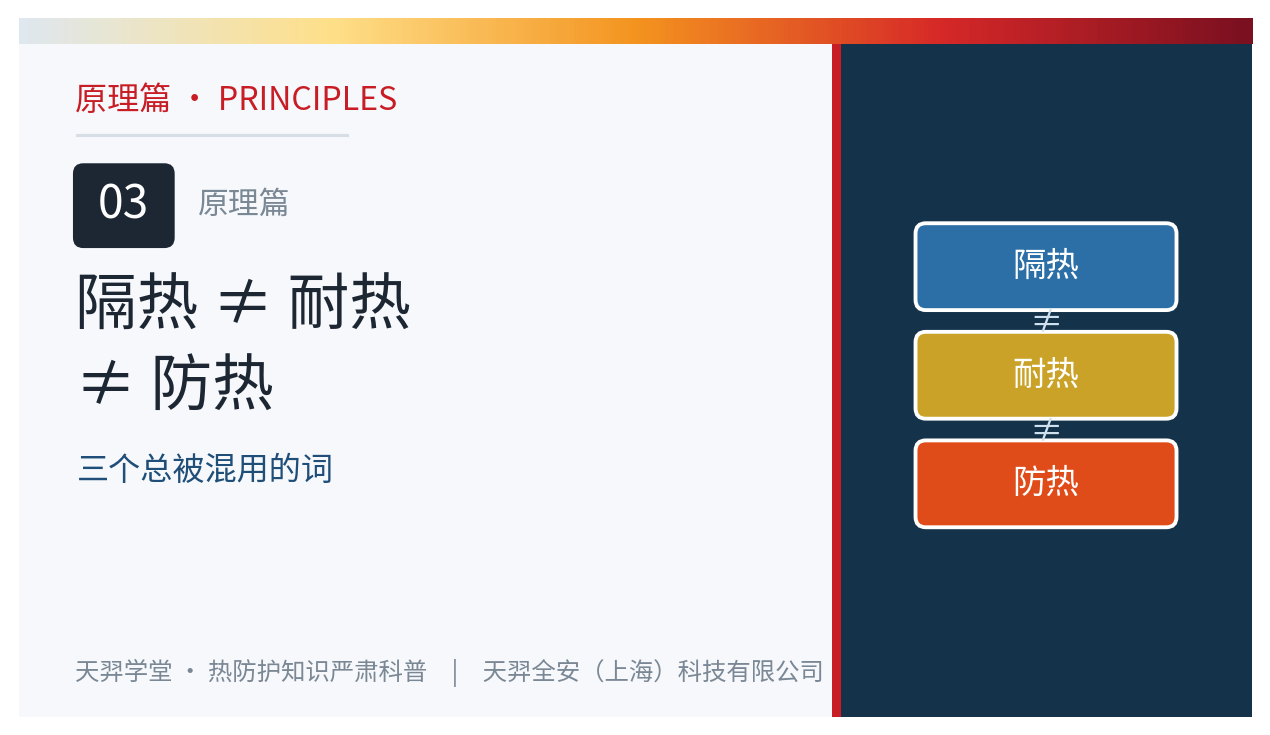
Heat resistance, thermal insulation, and heat shielding are three distinct concepts. A ceramic that won't melt at 1500℃ may still allow heat to transfer through to the back. This article clarifies how these terms relate to each other so you don't make a critical mistake in your first selection step.
Three concepts, three tracks
In thermal protection, "heat resistance," "thermal insulation," and "heat shielding" are often used interchangeably, yet they address entirely different engineering challenges.
Heat Resistant: Material remains intact
Heat resistance refers to whether a material melts, decomposes, or undergoes harmful phase changes at high temperatures. A ceramic that maintains its structural integrity at 1500°C is considered heat resistant.
Insulation: Prevents heat transfer to the back
Insulation focuses on whether heat flow can be blocked. Even if a material can withstand high temperatures, if heat rapidly penetrates to the backside, the structure and personnel behind it cannot survive. Insulation performance depends on thermal conductivity, thickness, and density.
Heat Protection: A System-Level Solution
Thermal protection is a systems engineering concept that requires not only heat-resistant and insulating materials but also consideration of aerodynamic shape, ablation consumption, structural load-bearing capacity, and weight constraints. A thermal protection system integrates heat resistance, insulation, and structural design.
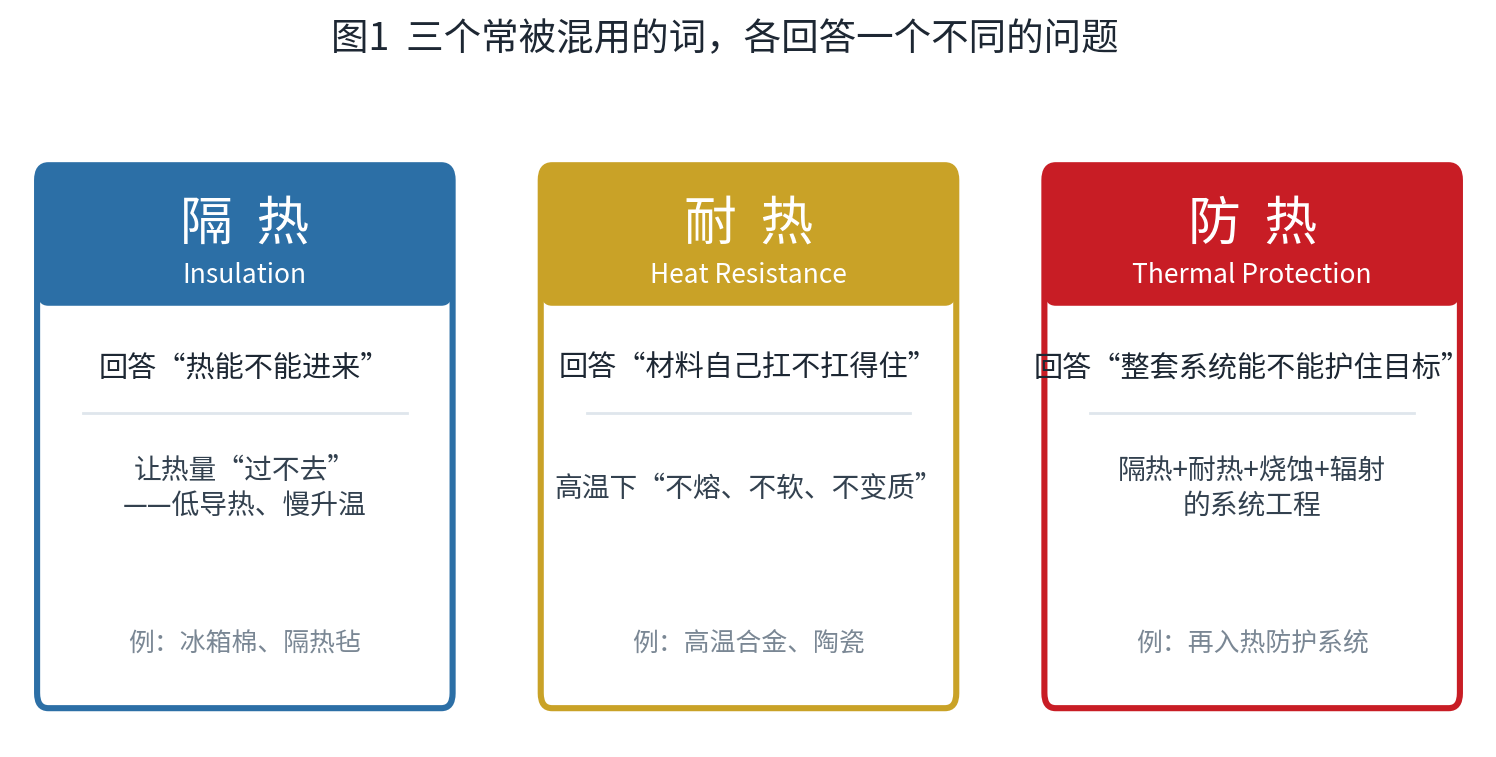
Figure 1: Three commonly confused terms, each answering a different question
Why differentiation matters
Confusing "heat resistance temperature" with "thermal protection capability" leads to critical errors. For example, while quartz fiber withstands 1200°C, it is insufficient alone in hypersonic re-entry environments. Effective thermal protection also requires low thermal conductivity, appropriate ablation characteristics, and adequate structural strength. Distinguishing these three parameters is the first step toward making the right selection.
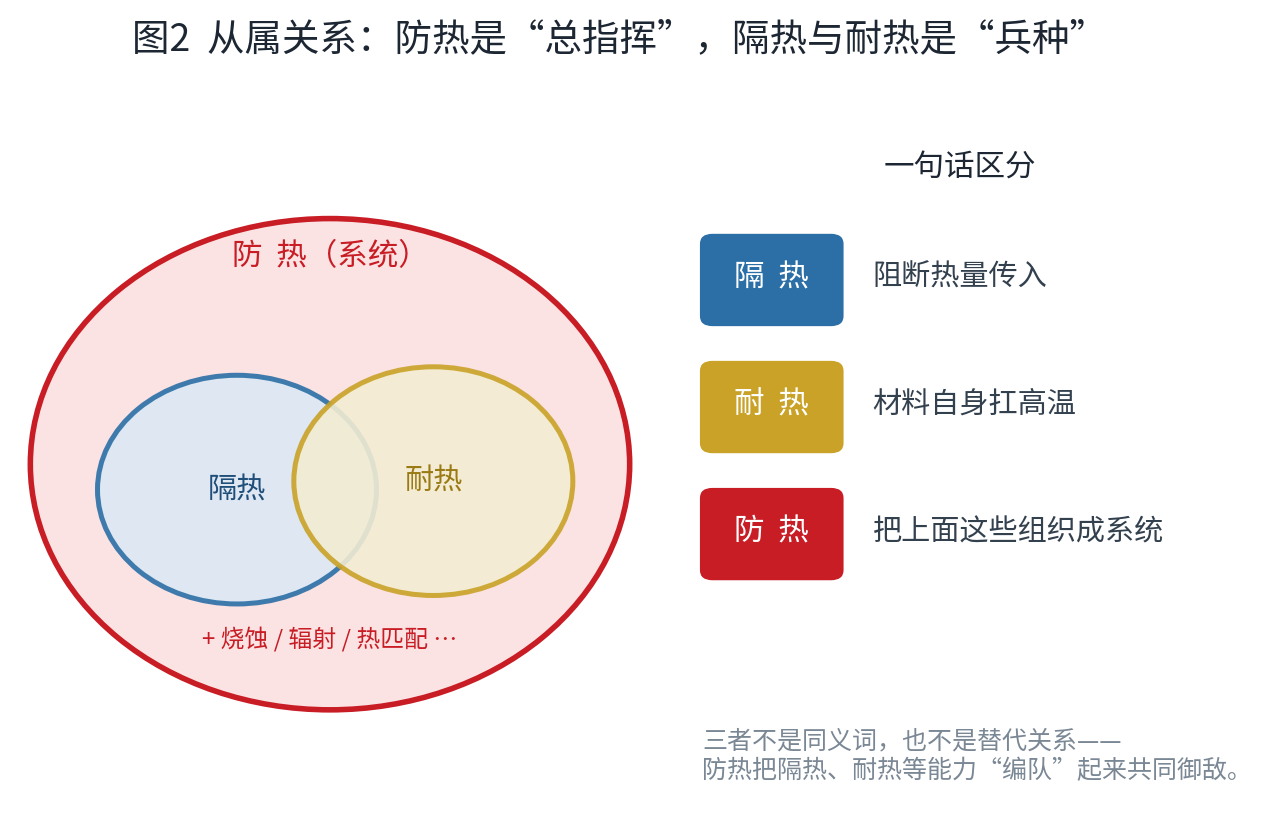
Figure 2 Hierarchy: Heat resistance is the "commander"; thermal insulation and heat tolerance are the "troops".