
Full Map of Ground Test System: How Materials Are "Tested"

Whether a thermal protection material is flight-ready doesn't come down to claims like "we withstand extreme heat." It's earned through a rigorous, multi-level ground test program. Understanding what this system looks like and what each stage validates is the first step in assessing its credibility.
① Introduction: Progressive Amplification, Step-by-Step Refinement
Whether a thermal protection material can truly go to space doesn't hinge on claims like "we withstand extreme heat." It depends entirely on a rigorous, multi-stage ground test system that validates its performance step by step. Understanding what this system looks like and what each stage tests is the first step toward assessing the reliability of thermal protection.
2. Common Sense: Amplify step by step, approach progressively
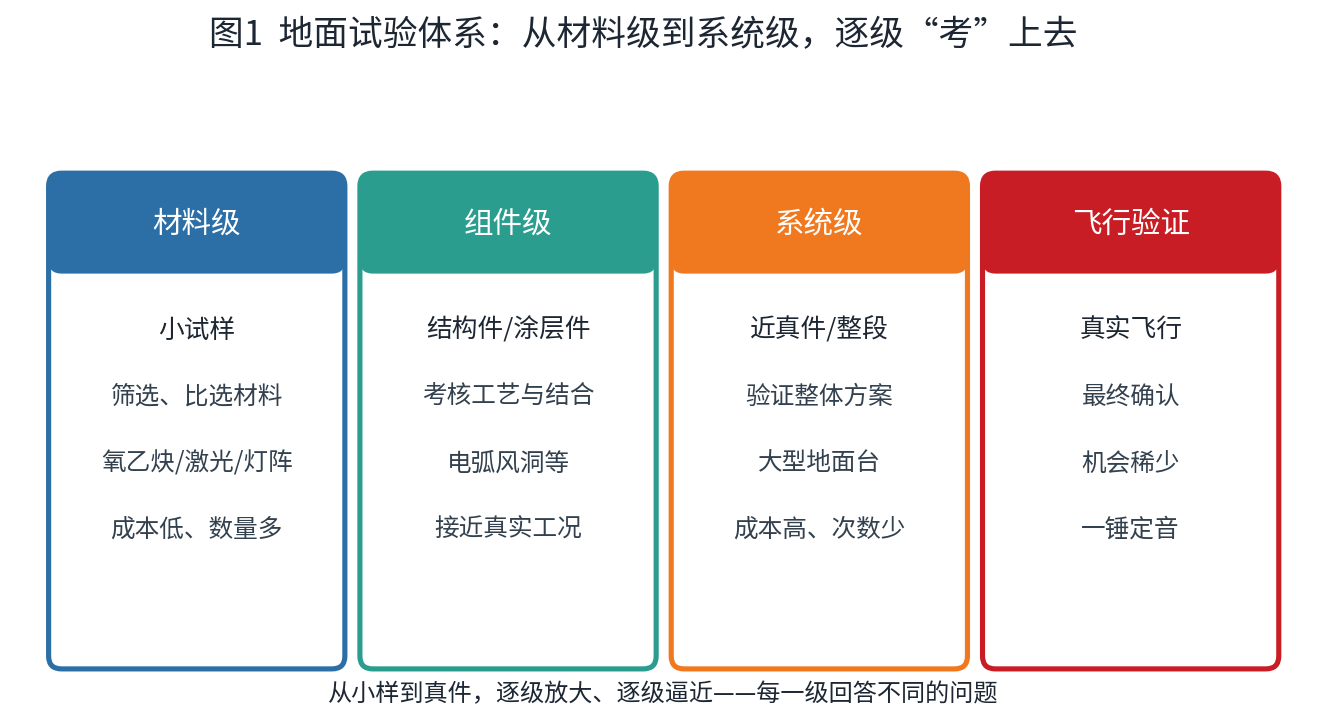
Figure 1: Ground Test System – From Material Level to System Level, Step-by-Step Verification
Assessment is not a one-step process but a tiered approach. At the material level, small samples are used for high-throughput screening and comparison—low cost and high volume. At the component level, structural parts and coated parts evaluate processes and bonding. At the system level, near-real or full-scale sections validate the overall design. Finally, rare and expensive flight tests confirm readiness. Each tier answers distinct questions: the higher the tier, the closer to reality—and the higher the cost.
③ Closed loop of a single assessment: Requirement → Method → Test → Data → Interpretation
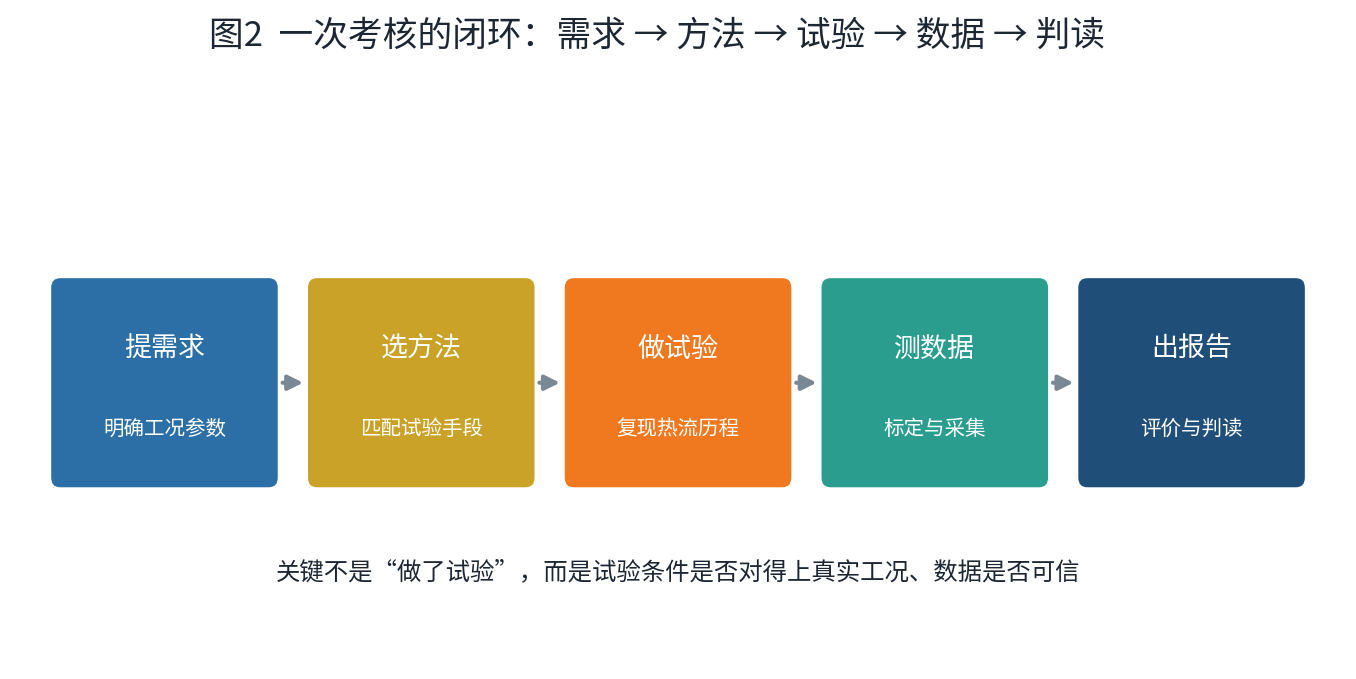
Figure 2: Closed loop of a single assessment: Requirements → Methods → Testing → Data → Interpretation
Every valuable test is a closed loop: define real-world operating parameters, select the appropriate test method, replicate the thermal history, calibrate and collect data, then evaluate and interpret the results. The key isn't just "running a test," but ensuring test conditions match real-world scenarios and that the data is trustworthy.
4. Challenge: The ground will never perfectly equal the sky.
No ground test can perfectly replicate all parameters of real flight. Heat flux, pressure, time, and airflow composition are often difficult to scale simultaneously. Thus, "how to extrapolate ground results to actual operating conditions" remains a core challenge—the very problem addressed by similarity criteria and scale effects.
5. Tianyi's Perspective: Turn "how to take the exam" itself into a capability
Many focus only on material performance numbers. Tianyi Quan'an cares more about "how those numbers are derived." Our extreme environment lab builds ground-test capabilities spanning from materials to components, treating test design, heat-flow calibration, and data interpretation as a verifiable methodology. We believe trustworthy materials come from a trustworthy testing system—not just polished conclusions.
⑥ Further Reading · Test Consultation
In-site Extensions:
Arc Jet Facility: Simulating Atmospheric Re-entry on Earth
Test articles are not full-scale parts: scale effects and similarity criteria
What Does CNAS Accreditation Mean: The Source of a Report's Credibility
Consultation Test
Design a tiered assessment plan for your materials? Contact Tianyi Extreme Environment Laboratory.